


Design Systems: A Modern Approach to Consistency and Efficiency

In the modern world of product development, design systems have emerged as a critical tool for creating cohesive and efficient user experiences. But what exactly is a design system, and why should you care?
What is a Design System?
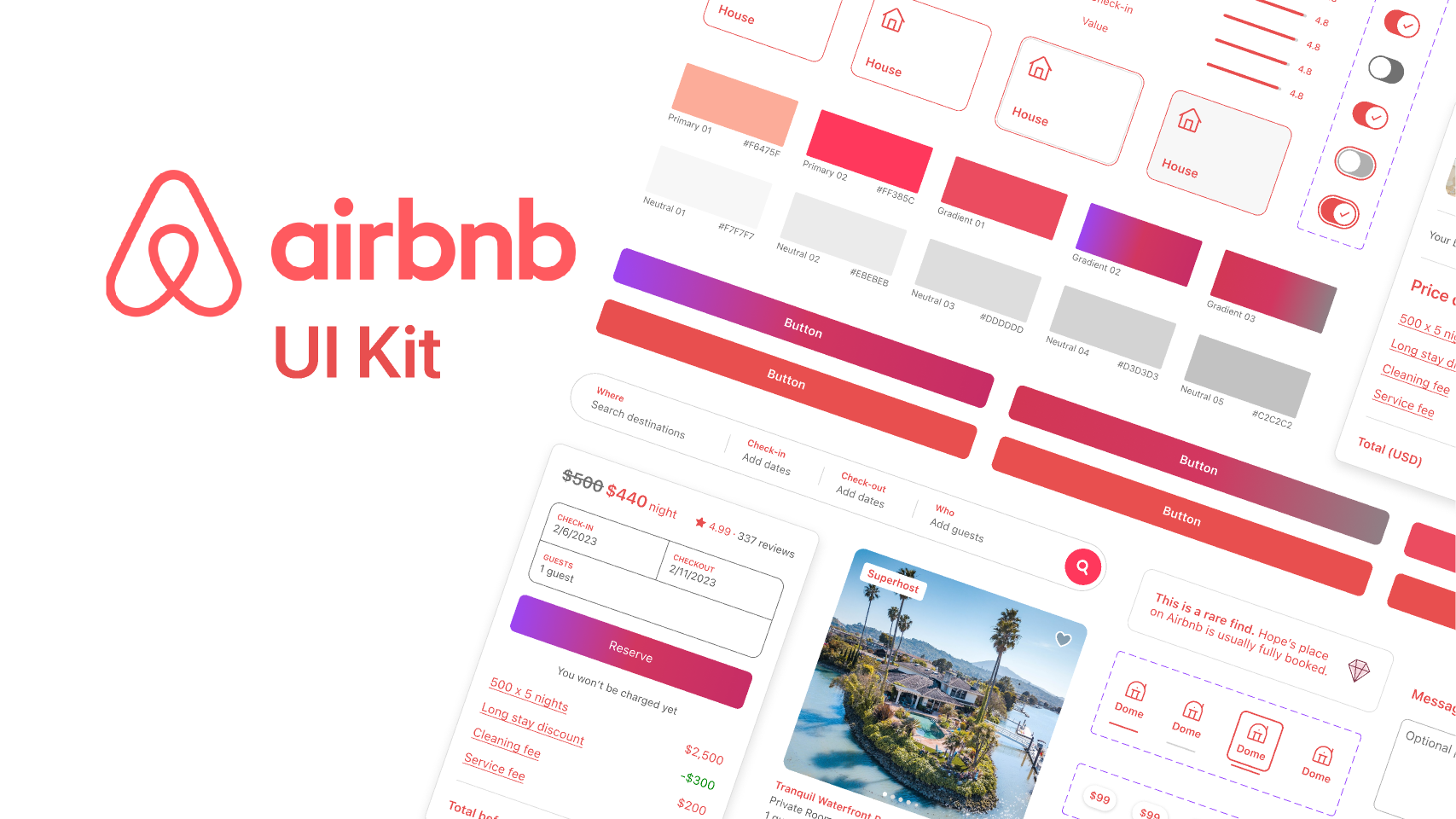
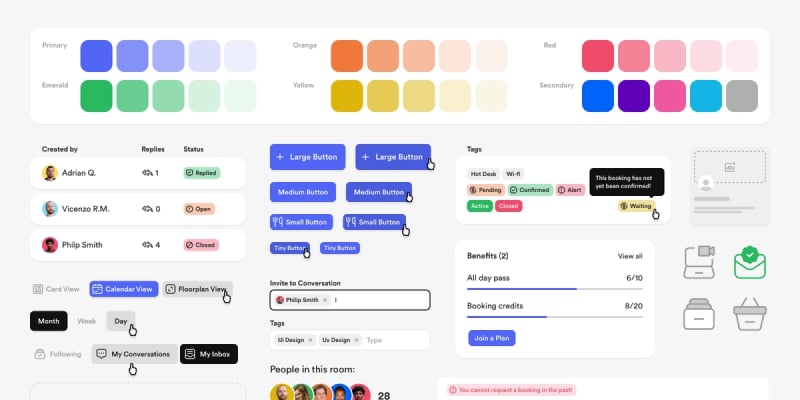
At its core, a design system is a collection of reusable components, guided by clear standards, that can be assembled together to build any number of applications. These systems typically include a library of UI elements, a set of guidelines for how to use them, and often, a style guide to ensure visual consistency.
The Benefits of Design Systems
-
Consistency Across Platforms Design systems ensure that your products have a consistent look and feel, no matter where they are used. This consistency not only strengthens your brand but also enhances user experience. As Ethan Marcotte, a pioneer in responsive web design, puts it, "Consistency is not the end product of a design system; it’s a key ingredient in creating a coherent user experience."
-
Efficiency and Speed With a well-documented design system, teams can work faster and more efficiently. Instead of reinventing the wheel with each new project, designers and developers can pull from a shared repository of components. This reuse accelerates the design and development process, freeing up time for innovation and problem-solving. As Brad Frost, a thought leader in web design, says, "The true power of a design system lies in its ability to enable teams to create at scale."
-
Improved Collaboration A design system acts as a single source of truth for designers and developers. By standardizing components and guidelines, teams can communicate more effectively and avoid misunderstandings. As Brad Frost also notes, "A design system is like a living, breathing entity that evolves and improves over time, much like your team’s collaboration."
Building a Design System
Creating a design system requires a strategic approach. Here are some key steps:
-
Audit Your Current Design Assets Begin by cataloging your existing design elements. Identify patterns, inconsistencies, and areas for improvement. This audit will serve as the foundation for your design system. As Jina Anne, a design systems advocate, says, "You have to start by knowing where you are to figure out where you need to go."
-
Define Your Design Principles Establish a set of guiding principles that reflect your brand’s values and vision. These principles will inform every component and guideline in your design system. "Design principles act as the compass for your design system, guiding every decision and ensuring alignment with your brand’s ethos," says Alla Kholmatova, author of "Design Systems."
-
Create a Component Library Develop a library of reusable UI components, each with clear documentation. Ensure that these components are flexible and can be adapted to different contexts. Nathan Curtis, a leading voice in design systems, emphasizes, "A robust component library is the backbone of any successful design system."
-
Document Guidelines and Standards Provide comprehensive documentation for how components should be used. Include examples, dos and don’ts, and code snippets to support developers. As Gina Bhawalkar from Forrester Research points out, "Without thorough documentation, a design system can quickly become a source of confusion rather than clarity."
-
Foster a Culture of Iteration A design system is never finished. Encourage your team to continuously test, refine, and expand the system. Gather feedback from users and stakeholders to ensure the system evolves to meet their needs. "Iteration is key to maintaining a design system that remains relevant and effective," says Jina Anne.
Real-World Examples
Several companies have successfully implemented design systems, reaping significant benefits. For instance, Airbnb’s design system, "Design Language System (DLS)," has been pivotal in maintaining a cohesive user experience across their platform. In a Medium post, Airbnb’s design team noted, "Our design system has allowed us to scale our design process while maintaining a high level of quality and consistency."
Similarly, IBM’s "Carbon Design System" has provided a robust framework for creating consistent and accessible digital products. As IBM’s design team explains, "Carbon is IBM’s open-source design system for digital products and experiences. It’s built to align teams and deliver a coherent experience across our ecosystem."
Challenges and Solutions
While the benefits of design systems are clear, implementing one is not without its challenges. Resistance to change, the initial time investment, and maintaining the system can all pose significant hurdles. However, these challenges can be overcome with careful planning and a commitment to ongoing improvement.
-
Resistance to Change Teams may be hesitant to adopt a design system, especially if they are accustomed to a certain way of working. To address this, involve team members early in the process and demonstrate the benefits through pilot projects.
-
Initial Time Investment Building a design system from scratch requires a significant upfront investment of time and resources. However, this investment pays off in the long run by saving time on future projects.
-
Maintenance A design system requires ongoing maintenance to stay relevant. Assign dedicated team members to manage and update the system regularly.
Adopting a design system is more than just a trend; it’s a strategic move that can transform how your team works and how users experience your products. By ensuring consistency, improving efficiency, and fostering collaboration, a design system can become a cornerstone of your design and development process.
In the words of John Maeda, a renowned designer and technologist, "Design is not just what it looks like and feels like. Design is how it works." A well-crafted design system embodies this philosophy, making it easier to create products that are not only beautiful but also functional and user-friendly.
Whether you’re just starting out or looking to refine an existing system, investing in a design system can offer immense value, driving your team towards greater creativity and innovation. As Nathan Curtis aptly puts it, "A design system is a long-term investment in the health and success of your product ecosystem."